
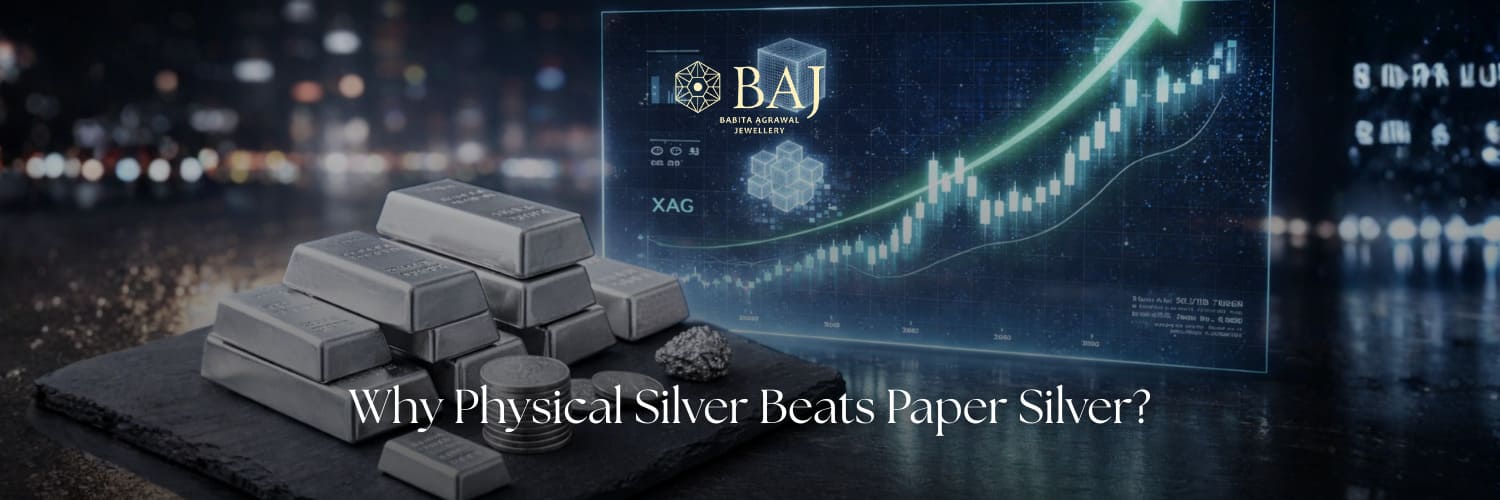
The ‘Physical vs Paper’ Gap: Why Buying Real Silver Is Smarter Than Digital
Silver has re-emerged as one of the most discussed investment assets in recent years. With rising inflation, global uncertainty, and volatile equity markets, investors are looking for safer alternatives. Silver stands out for its combination of precious-metal value and strong industrial demand. However, today’s buyers face a modern dilemma: should you buy physical silver or invest in digital (paper) silver?
While both options claim to offer exposure to silver prices, the gap between physical and paper silver is significant. Understanding this difference can help you make a smarter financial decision.
What Is Physical Silver?
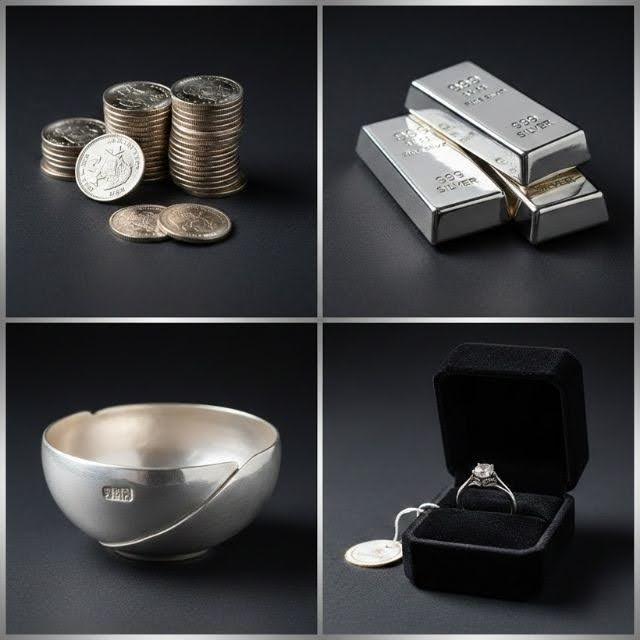
Physical silver refers to tangible silver you can hold and store yourself. This includes:
- Silver coins
- Silver bars and bullion
- Hallmarked silver products
- Certified silver jewellery
When you buy physical silver, you own a real asset. There is no intermediary between you and your investment. The value exists independently of digital platforms, banking systems, or third-party promises.
What Is Paper (Digital) Silver?
Paper silver includes financial instruments that represent silver but are not physically held by you. Examples include:
- Silver ETFs (Exchange Traded Funds)
- Digital silver wallets
- Futures contracts
- Commodity trading accounts
In these cases, you do not physically possess silver. Instead, you hold a claim or exposure to its price movement. While this can be convenient, it introduces layers of dependency on financial institutions and market systems.
The Ownership Difference: Real Asset vs Representation
The most important gap between physical and paper silver lies in ownership.
When you buy physical silver, you own a tangible asset. It cannot disappear due to a technical glitch, brokerage issue, or platform shutdown. It exists outside the digital ecosystem.
With paper silver, you own a representation. If the platform fails, freezes withdrawals, or faces regulatory restrictions, access to your investment may be temporarily or permanently affected.
For investors seeking long-term wealth protection, this difference matters.
Counterparty Risk: The Hidden Factor
Counterparty risk refers to the possibility that the institution holding or managing your asset may fail.
Physical silver has virtually no counterparty risk once it is in your possession. Its value does not depend on a third party’s financial stability.
Paper silver, however, depends on:
- Fund managers
- Custodians
- Exchanges
- Brokerage platforms
If any of these face operational or financial trouble, your investment could be exposed to risk. During financial crises, counterparty risk becomes a serious concern.
Liquidity and Market Access
Digital silver is often praised for its ease of buying and selling. With a few clicks, you can trade silver through an app or brokerage account. This provides short-term liquidity.
Physical silver, on the other hand, requires visiting a dealer or jeweller to sell. While slightly less instant, it remains highly liquid in most markets. Reputed jewellers and bullion dealers readily buy back silver at prevailing rates.
The difference lies in convenience, not value. For long-term investors, slightly lower speed does not outweigh the security of ownership.
Price Tracking and Premiums
Paper silver typically tracks the spot price closely, making it attractive for traders seeking small price movements.
Physical silver may include a small premium over spot price due to:
- Manufacturing
- Minting
- Transportation
- Dealer margins
However, during periods of high demand or supply shortage, physical silver can trade above paper prices. In such scenarios, the real asset commands a stronger premium.
This gap becomes evident during market stress. Investors often rush to secure physical metal, widening the price difference between digital contracts and actual bullion.
Wealth Protection During Crisis
One of silver’s biggest strengths is its role as a hedge against economic instability. Physical silver shines brightest during such times.
In scenarios involving:
- Currency devaluation
- Banking restrictions
- Geopolitical tension
- Stock market crashes
Physical silver acts as a portable, universally accepted store of value. It does not require internet access, trading platforms, or financial system stability.
Digital silver depends entirely on functioning markets and electronic systems. If trading halts or systems freeze, access may be restricted.
For true crisis preparedness, tangible assets hold an advantage.
Privacy and Control
Physical silver provides greater privacy. Transactions through local jewellers or bullion dealers may not require the same level of digital tracking as online platforms.
Digital silver investments are fully traceable through brokerage records and financial institutions. While transparency is beneficial for regulation, some investors prefer the discretion and control that physical ownership offers.
Control over storage is another factor. Physical silver can be stored at home, in private lockers, or secure vaults of your choice. Digital silver storage decisions are controlled by institutions.
Industrial Demand Supports Physical Silver
Silver is not just a precious metal; it is also a critical industrial commodity. It plays a vital role in:
- Solar panels
- Electric vehicles
- Electronics
- Medical equipment
Rising industrial demand strengthens the long-term outlook for silver prices. Owning physical silver allows investors to directly participate in this demand-driven value growth without relying on financial derivatives.
Long-Term Investment vs Short-Term Trading
Paper silver is often suitable for short-term traders who aim to benefit from daily or weekly price fluctuations.
Physical silver, however, aligns more closely with long-term wealth building. It encourages disciplined holding rather than speculative trading.
Investors who accumulate physical silver gradually may benefit from compounding value appreciation over time while maintaining a tangible safety net.
Which Option Is Smarter?
The answer depends on your investment goals.
Choose paper silver if:
- You are a short-term trader
- You prefer instant digital transactions
- You are comfortable with institutional dependency
Choose physical silver if:
- You value tangible ownership
- You want protection from financial system risks
- You are investing for long-term security
- You prefer full control over your assets
For conservative investors focused on stability and wealth preservation, physical silver offers stronger foundational benefits.
Final Thoughts: The Real Value of Real Silver
The physical vs paper silver debate is not about which option tracks price better. It is about ownership, control, and resilience.
In a world increasingly dependent on digital systems, tangible assets continue to hold timeless appeal. Physical silver provides something digital assets cannot fully replicate: certainty of possession.
While digital silver offers convenience, physical silver delivers independence. And in uncertain economic environments, independence often proves more valuable than convenience.
If you are considering adding silver to your portfolio, think beyond price charts. Consider security, accessibility, and long-term protection.
Visit our store to explore our curated selection of certified physical silver jewellery and make a secure investment that you can trust.
About Author

Babita Agrawal
Babita Agrawal is a visionary jewellery designer with over 30 years of experience in the industry. Founder of Babita Agrawal Jewellery, she began her journey from a small cabin and built one of Mumbai’s most admired boutique jewellery brands. Her commitment to blending traditional aesthetics with modern artistry defines each elegant creation, making her a respected name in luxury jewellery.