

Muhurat vs Market Price: Should You Wait for a Gold Price Dip Before Akshaya Tritiya?
Akshaya Tritiya is one of the most auspicious days in the Indian calendar for purchasing gold. Every year, jewellery stores see a surge in customers who believe that buying gold on this day brings prosperity and long-term wealth. The festival is deeply rooted in tradition, and for many families, purchasing gold on Akshaya Tritiya has become an annual ritual.
However, modern buyers often face a dilemma. Should they strictly follow the auspicious muhurat and buy gold on the festival day, or should they wait for a market price dip to get a better deal?
This debate between tradition and market timing has become increasingly relevant as gold prices continue to fluctuate due to global economic factors. Understanding both perspectives can help you make a smarter decision when planning your gold purchase before Akshaya Tritiya.
Why Akshaya Tritiya Is Associated with Buying Gold?
The word “Akshaya” means never diminishing or eternal prosperity. According to tradition, any investment made on this day is believed to grow and multiply over time. This belief has made gold the most popular purchase during the festival.
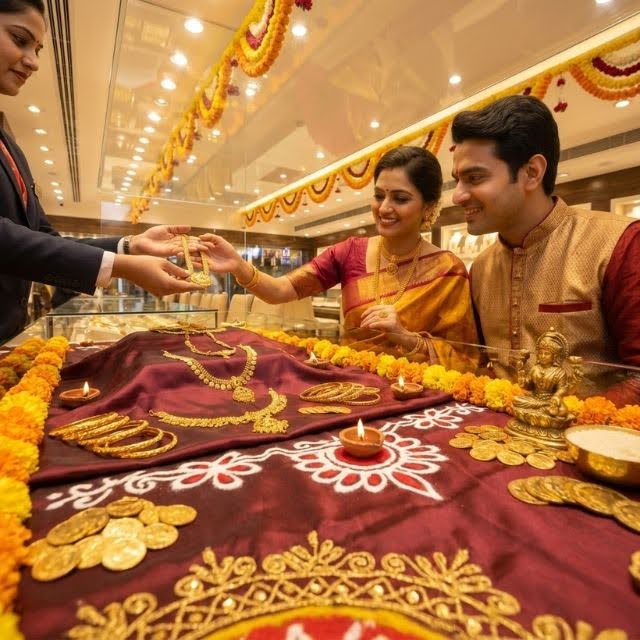
Over generations, families have developed the habit of buying at least a small amount of gold on Akshaya Tritiya. Even a coin or a lightweight jewellery piece is considered a positive start for the year.
Jewellers also launch festive collections and special offers during this time, which adds to the excitement around gold purchases. As a result, Akshaya Tritiya has become one of the largest gold-buying occasions in India.
How Gold Prices Actually Move?
While festival demand influences buying behaviour, gold prices are primarily determined by global economic conditions. Several factors impact daily gold prices:
One major factor is inflation. When inflation rises, gold often becomes more attractive because it protects purchasing power.
Another factor is currency fluctuations. When the value of major currencies weakens, gold prices tend to rise because investors see it as a stable store of value.
Geopolitical tensions and economic uncertainty also influence gold demand. During periods of global instability, investors often move their money into gold, pushing prices higher.
Because these forces operate globally, gold prices can change quickly and unpredictably.
The Case for Waiting for a Price Dip
Some buyers prefer to track gold prices closely and wait for a dip before making a purchase. Their logic is simple: buying during a lower price period allows them to get more value for the same budget.
This approach works well for investors who treat gold primarily as a financial asset. By monitoring market trends, they try to identify moments when prices temporarily decline.
For example, gold prices sometimes fall when interest rates rise or when the global economy appears stable. During such periods, investors may temporarily shift money into other assets like equities.
The Case for Following the Muhurat
For many people, Akshaya Tritiya is not just about price; it is about symbolism and tradition. The belief that purchases made on this day bring prosperity is deeply rooted in Indian culture.
Buying gold during the muhurat represents a positive beginning and a commitment to long-term wealth. The festival provides a meaningful reason to start or continue building gold savings.
Another practical reason people buy on the festival day is discipline. Instead of constantly waiting for the perfect price, the festival acts as a fixed annual milestone for investment.
Over many years, this habit of buying gold regularly during festivals can lead to substantial accumulation of wealth.
The Risk of Waiting Too Long
One common mistake investors make is waiting indefinitely for the “perfect” price. Gold prices rarely move in predictable patterns, and waiting for a dip may sometimes result in missing buying opportunities.
For instance, during strong bullish cycles, gold prices may continue rising without significant corrections. In such cases, buyers who keep waiting for a dip may end up purchasing later at even higher prices.
This is why many financial planners recommend focusing on long-term accumulation rather than short-term timing.
A Balanced Strategy: Tradition Meets Smart Investing
Instead of choosing between muhurat and market price, many buyers now adopt a balanced approach.
One strategy is to plan the purchase in advance. If prices drop slightly before Akshaya Tritiya, buyers can take advantage of the opportunity.
Another approach is to purchase part of the gold earlier and complete the purchase on the festival day. This helps average out price fluctuations while still maintaining the cultural significance of buying during the muhurat.
Some buyers also use Akshaya Tritiya as an opportunity to upgrade jewellery or exchange old gold for new designs. This allows them to benefit from current gold rates while refreshing their jewellery collection.
Jewellery vs Investment Gold During the Festival
During festivals like Akshaya Tritiya, people often choose between gold jewellery and investment gold like coins or bars. Jewellery reflects cultural traditions, while coins and bars are mainly bought for investment and wealth preservation.
Jewellery During the Festival
- Traditional Significance:
Gold jewellery is the most traditional form of gold purchase during festivals like Akshaya Tritiya. - Emotional and Cultural Value:
It carries strong emotional meaning and often becomes part of family celebrations, traditions, and important life milestones. - Combination of Beauty and Value:
Jewellery offers both aesthetic appeal and financial value, making it a meaningful purchase for many families.
Investment Gold (Coins and Bars)
- Investment-Focused Purchase:
Gold coins and bars are preferred by buyers who focus mainly on investment and wealth preservation. - Lower Making Charges:
These forms of gold generally involve lower making charges compared to jewellery. - Easy Storage and Liquidity:
Coins and bars are easier to store and can be sold more conveniently when required.
What Smart Buyers Do Before Akshaya Tritiya?
Experienced gold buyers usually follow a few simple steps to make a well-informed purchase before the festival.
- Monitor Gold Prices
Buyers track gold prices for a few weeks before Akshaya Tritiya to understand whether the market trend is stable, rising, or falling. - Check Gold Purity
They ensure the gold is properly hallmarked and purchased from a trusted jeweller to guarantee authenticity and quality. - Compare Making Charges and Offers
Many jewellers provide festive discounts, so buyers compare making charges and special offers before making a final decision.
Balancing Cultural Traditions with Strategic Gold Investment
The debate between muhurat and market price does not have a single correct answer. Gold has historically proven to be a valuable asset over the long term, regardless of short-term price fluctuations.
Buying gold on Akshaya Tritiya can be both a cultural celebration and a smart financial habit. Rather than trying to perfectly time the market, many investors focus on consistent accumulation over the years.
When tradition and thoughtful planning come together, gold purchases can become a meaningful step toward financial security.
This Akshaya Tritiya, celebrate prosperity with exquisite gold at Babita Agrawal Jewellery. Explore our trusted collection and invest in purity, tradition, and lasting value today.
About Author

Babita Agrawal
Babita Agrawal is a visionary jewellery designer with over 30 years of experience in the industry. Founder of Babita Agrawal Jewellery, she began her journey from a small cabin and built one of Mumbai’s most admired boutique jewellery brands. Her commitment to blending traditional aesthetics with modern artistry defines each elegant creation, making her a respected name in luxury jewellery.