
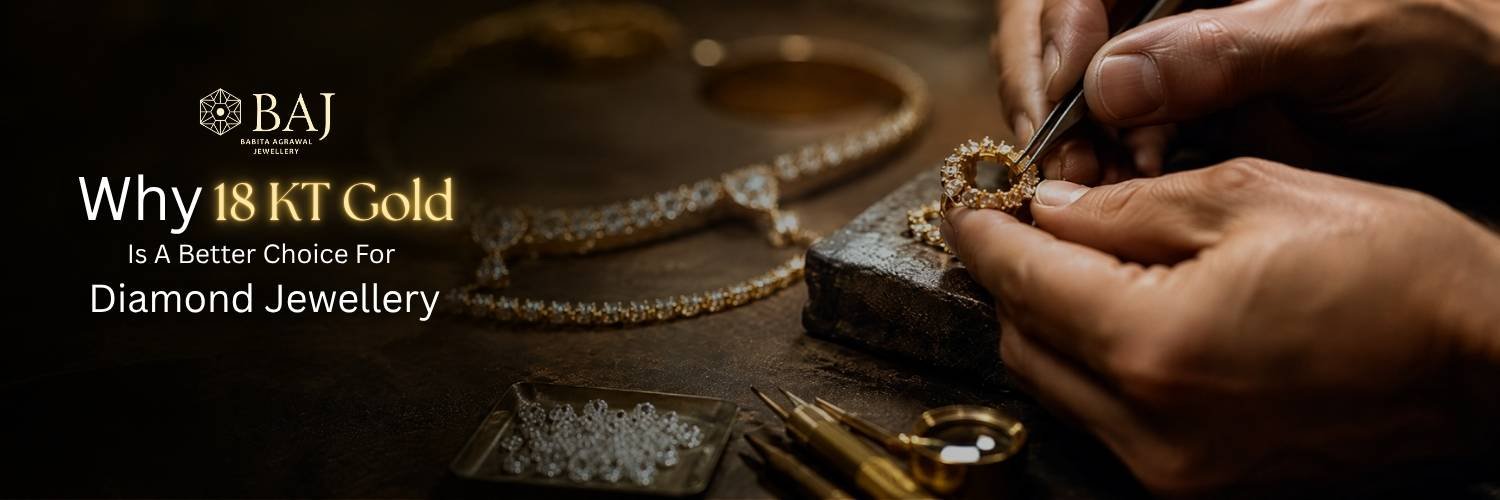
Why Is 18K Gold Preferred Over 22K Gold for Diamond Jewellery?
If you have shopped for a diamond ring or a pair of diamond earrings recently, you may have noticed something odd. Most fine diamond jewellery is made in 18K gold, not 22K, even though 22K gold has more pure gold in it. For anyone used to buying traditional gold jewellery, this can feel backwards. More purity usually means better quality, right?
Not in this case. When diamonds are involved, the metal’s job changes. It is no longer just about how much gold is in the piece. It is about how well that metal can hold a diamond in place through years of daily wear. That is where 18K gold has the advantage, and why most professional jewellers reach for it whenever diamonds are part of the design.
What Sets 18K and 22K Gold Apart
The difference comes down to composition.
18K gold is made of 75% pure gold and 25% alloy metals such as copper, silver, zinc or palladium. These alloy metals make 18K gold stronger, while keeping the warm, rich look people expect from fine gold jewellery.
22K gold is made of 91.6% pure gold and only 8.4% alloy metals. Because there is so little alloy mixed in, 22K gold stays closer to gold’s natural state, which is soft and highly malleable. That softness is exactly why 22K gold works beautifully for traditional gold jewellery and coins, but struggles when it needs to grip and protect a diamond.
Pure gold on its own bends and scratches easily. The more the gold purity goes up, the more the metal gives way under pressure. For a ring or pendant carrying a diamond, that flexibility becomes a liability rather than a feature.
18K Gold vs 22K Gold: Side-by-Side Comparison
| Feature | 18K Gold | 22K Gold |
|---|---|---|
|
Gold Purity |
75% pure gold |
91.6% pure gold |
|
Alloy Content |
25% (silver, copper, zinc or palladium) |
8.4% (mostly copper or silver) |
|
Strength |
High, holds settings well |
Moderate, softer and bends more easily |
|
Diamond Security |
Excellent |
Good |
|
Colour Tone |
Warm, slightly paler yellow |
Deep, rich yellow |
|
Design Flexibility |
Excellent, supports intricate work |
Limited |
|
Daily Wear Suitability
|
Excellent |
Moderate |
|
Best Suited For |
Diamond and bridal jewellery, daily wear |
Traditional gold jewellery, coins, plain designs |
Why 18K Gold Is the Jeweller's Choice for Diamonds?
It holds settings together. Diamonds rely on the metal around them, whether that is a prong, claw, halo or pave setting, to stay exactly where they should. 18K gold has the structural strength to keep that grip tight for years, instead of loosening with regular handling.
It resists bending. Fine diamond pieces often include delicate prongs, clasps and thin links. These parts take a lot of small, daily stress: opening a clasp, brushing against fabric, catching on a bag strap. 22K gold gives way to that stress more easily. 18K gold holds its shape.
It supports intricate design work. Modern diamond jewellery often features open patterns, geometric frames or invisible settings where the metal is barely visible. These designs need a metal strong enough to hold its form even when shaped into very fine details, which is something softer 22K gold cannot do as reliably.
It is built for everyday wear. A diamond ring or pair of earrings is rarely worn once and put away. 18K gold is engineered to handle that regular, ongoing wear without losing its shape or its shine, which matters most for bridal jewellery and pieces people wear year after year.
Is 18K Gold Better for Diamond Rings, Earrings and Necklaces?
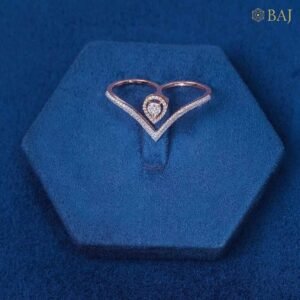
Diamond Rings: Rings take more daily impact than almost any other piece of jewellery, knocking against surfaces, going through hand washing, and slipping on and off constantly. 18K gold holds prong and claw settings tight through all of that, which matters most for engagement and bridal rings worn every single day.
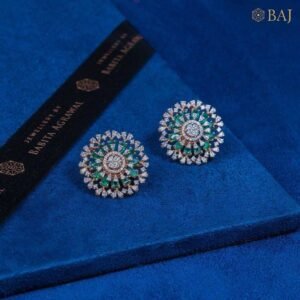
Diamond Earrings: Earring settings tend to be smaller and more delicate, since the goal is usually to keep the piece light and comfortable to wear. 18K gold lets jewellers build secure settings at a smaller scale without the metal weakening or the stone working loose over time.
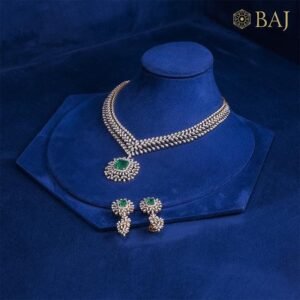
Diamond Necklaces: A necklace usually has the most moving parts of any diamond piece: clasps, links, pendant settings, and sometimes multiple stones along a chain. 18K gold keeps all of these joints structurally sound, so the chain does not stretch or weaken at the connection points.
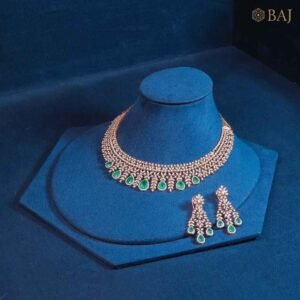
Bridal Diamond Jewellery: Bridal pieces are meant to be worn for decades and often passed down. 18K gold is the standard here because it holds up to that kind of long-term wear while still allowing the fine, detailed craftsmanship that bridal sets are known for.
Find Your Diamond Piece at BAJ
Now that you know why 18K gold is the standard for diamond jewellery, choosing your next piece becomes a lot easier. At BAJ (Babita Agrawal Jewellery), every diamond ring, earring and necklace is crafted in 18K gold with BIS hallmarking and certified diamonds, so you get a piece that looks beautiful today and holds up for years to come.
Browse our diamond jewellery collection or visit our boutique to see the craftsmanship up close.
About Author
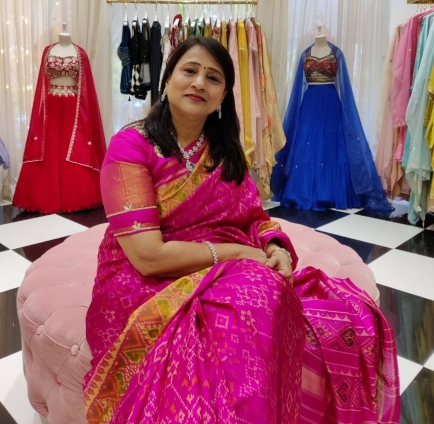
Babita Agrawal
Babita Agrawal is a visionary jewellery designer with over 30 years of experience in the industry. Founder of Babita Agrawal Jewellery, she began her journey from a small cabin and built one of Mumbai’s most admired boutique jewellery brands. Her commitment to blending traditional aesthetics with modern artistry defines each elegant creation, making her a respected name in luxury jewellery.